

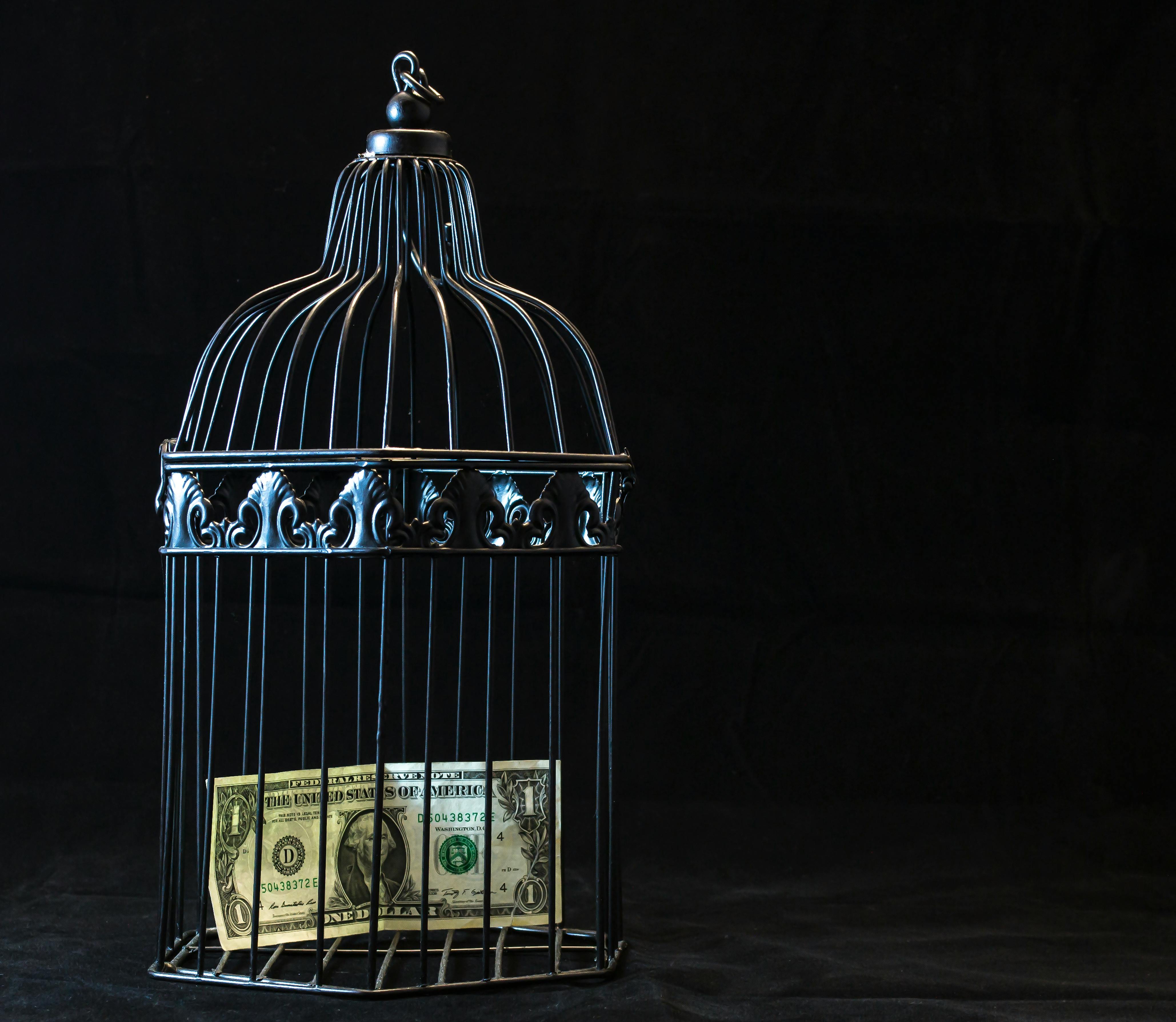
Sanctions: Meant to Change Behavior, Not to Punish Permanently
In the high-stakes world of international relations and economic statecraft,sanctions have become one of the most visible and controversial tools in the modern policy arsenal. When governments impose economic restrictions on nations, companies, or individuals, the public often perceives these measures as punishment for past wrongs. However, this perspective misunderstands the fundamental purpose of sanctions.
As the U.S.Treasury's Office of Foreign Assets Control clearly states: "The ultimate goal of sanctions is not to punish, but to bring about a positive change in behavior." This principle represents more-than diplomatic rhetoric—it's the philosophical foundation that should guide how we design, implement, and ultimately lift sanctions regimes.
The Strategic Purpose of Sanctions
Former U.S.Treasury official Adam Szubin, who led the Office of Foreign AssetsControl for nearly a decade, articulated this philosophy with particular clarity. "The ultimate success of any sanctions program is its demise," Szubin noted, arguing that sanctions should not be a product of anger but "a means to an end."He emphasized that "the primary purpose of a sanctions program is to promote a change in behavior," and thus policymakers "must be ready to remove sanctions when we see it happen."
Sanctions are intended as leverage, a means to coerce nations or companies to altercourse—rather than as perpetual penalties for past actions. They exist in what scholars call the space "between words and war,"providing governments with a tool more forceful than diplomacy alone but less destructive than military intervention.
In practice, this means that when a sanctioned entity demonstrates credible change, the door to sanctions relief should open. This isn't weakness orcapitulation—it's the system working as designed. Sanctions that never end regardless of behavioral change cease to be policy tools and become simply vindictive barriers.
Are Russian Sanctions Actually Effective?
The effectiveness of sanctions against Russia has been the subject of intense debate and rigorous analysis. Since Russia's full-scale invasion of Ukraine in February 2022, Western nations have imposed unprecedented financial sanctions and export controls, creating the most comprehensive sanctions regime in modern history.
The evidence presents a complex picture. In the immediate aftermath of the 2022invasion, Russia's GDP contracted by approximately 2.1%, and economicforecasts predicted catastrophic decline. However, Russia's economy proved more resilient than many expected. The country transitioned toa wartime economy, with military expenditures doubling from 3-4% ofGDP to a projected 6.2% in 2025, artificially boosting economic activity in the short term.
Recent analyses from organizations including the U.S. Government Accountability Office, the Center for Strategic and International Studies, and theAtlantic Council reveal that while sanctions have significantly impacted Russia, they have not achieved all stated objectives. The measures have succeeded in several key areas: approximately 70% of assets within the Russian banking system are now under sanctions,over €300 billion in Russian Central Bank reserves remain frozen,and export controls have complicated Russia's access to criticalmilitary technologies.
However, Russiahas adapted through several mechanisms. China has become the primary destination for Russian exports, absorbing nearly 70% of Russian aluminum and dramatically increasing purchases of Russian oil.Russia's "shadow fleet" of over 500 vessels allows continued oil exports outside Western sanctions regimes. Moreover,India has emerged as the second-largest provider of restricted technology to Russia, serving as a critical transshipment hub.
Perhaps most significantly, Russia's interest rates have climbed to 21% — the highest in decades—as the central bank struggles to control inflation. The country's long-term economic prospects have been severely damaged. Estimates suggest that had Russia not initiated aggression in Ukraine in 2014, its economy could have been nearly 20%larger today—a loss of approximately three-quarters of a trillion dollars.
The verdict?Sanctions have inflicted substantial pain and constrained Russia's capabilities, but they have not prevented Russia from continuing its military operations. This raises the critical question: if sanctions alone cannot force immediate compliance, what role should they play in a broader strategic framework?
When Behavior Changes: The RUSAL/EN+ Success Story
One of the most compelling examples of sanctions working as intended involves RUSAL,one of the world's largest aluminum producers, and its parent companyEN+ Group. This case demonstrates how sanctions can achieve their purpose when properly designed and when the targeted entity demonstrates genuine behavioral change.
In April 2018,the United States imposed sanctions on Russian oligarch OlegDeripaska and companies under his control, including RUSAL and EN+Group. The Treasury Department sanctioned these entities specifically because of Deripaska's ownership and control, accusing him of illegal activities including wiretapping, extortion, racketeering, and alleged connections to organized crime.
The sanctionssent shockwaves through global aluminum markets. RUSAL's stock price plummeted nearly 60% within two weeks. The company, which accounted for 6% of global aluminum production, faced an immediate crisis asWestern customers severed ties and financial institutions froze transactions.
However, rather than simply accepting permanent isolation, RUSAL and EN+ pursued a different path. The companies approached the U.S. Treasury with a comprehensive restructuring proposal designed to address the specific concerns that led to their designation. The framework they proposed included:
- Substantially reducing Deripaska's direct and indirect shareholding stake to below 50%
- Limiting his voting rights to less than 35%
- Completely overhauling the composition of EN+ and RUSAL boards of directors
- Implementing restrictive corporate governance measures to prevent Deripaska's control
- Committing to extensive, ongoing auditing, certification, and reporting requirements to ensure full transparency with Treasury
These weren't cosmetic changes—they represented fundamental restructuring of corporate ownership and control. After careful evaluation, OFACdetermined that the significant restructuring and corporate governance changes would meet the criteria for delisting. In December2018, Treasury notified Congress of its intention to terminate sanctions on EN+, RUSAL, and JSC EuroSibEnergo.
Critically,Deripaska himself remained sanctioned. His property remained blocked,and his investment in these companies became effectively frozen. TheTreasury Department achieved its objective: severing Deripaska's control while allowing the companies themselves to return to legitimate business once they demonstrated fundamental change.
In January 2019,sanctions on the companies were formally lifted. Treasury SecretarySteven Mnuchin was clear about the rationale: "Treasurysanctioned these companies because of their ownership and control by sanctioned Russian oligarch Oleg Deripaska, not for the conduct of the companies themselves. These companies have committed to significantly diminish Deripaska's ownership and sever his control."
This case exemplifies the principle that sanctions should be conditional and dynamic. When the targeted behavior changes—when ownership structures are reformed, when malign actors are removed from control,when transparency is established—sanctions relief becomes not only appropriate but essential to maintaining the credibility of the sanctions system itself.
Other Examples of Successful Sanctions Appeals
The RUSAL case isn't unique. According to recent analysis of sanctions challenges inU.S., U.K., EU, Canadian, and Australian courts, approximately 48% of sanctioned Russian individuals have successfully overturned or had sanctions lifted through legal challenges. Out of 88 legal challenges analyzed, 42 individuals had sanctions lifted while 39 cases were rejected.
Sanctioned individuals have achieved success through several strategies:
Cutting ties with Russia: Demonstrating that business operations and personal connections with sanctioned activities have been genuinely severed.
Providing businesses are not Russian-based: Establishing that companies operate independently of Russian control or influence.
Identifying procedural errors: Documenting mistakes in the sanctions designation process that resulted in improper listings.
Corporate restructuring: Similar to RUSAL, implementing fundamental changes to ownership and governance structures.
The relatively high success rate of these challenges demonstrates that Western governments do take seriously the principle that sanctions should be targeted, justified, and subject to reversal when circumstances change. This isn't a weakness in the system—it's evidence that the system maintains due process and responds to genuine behavioral change.
Strategic Crisis Management and Sanctions Compliance
For businesses caught in sanctions crosshairs, understanding this dynamic nature of sanctions is crucial for developing effective response strategies.Industry professionals who specialize in sanctions compliance and crisis management emphasize several key principles:
Early engagement matters: Companies that proactively engage with sanctioning authorities, demonstrating willingness to address concerns and implement changes, fare better than those that take an adversarial posture.
Transparency is essential: Comprehensive disclosure and ongoing reporting, build credibility with regulators and demonstrate genuine commitment to compliance.
Structural change must be substantive: Cosmetic adjustments won't satisfy serious scrutiny. Changes to ownership, control, and governance must be real and verifiable.
Timing is critical: The window for effective response may be limited, and delays can result in compounding damage to business relationships and market position.
Legal expertise is non-negotiable: Navigating the complex web of sanctions regulations across multiple jurisdictions requires sophisticated legal counsel familiar with both the technical requirements and the policy objectives driving sanctions decisions.
Why This Matters for Your Business
If your company or your clients face sanctions-related challenges, understanding that sanctions are designed to be reversible changes everything about your strategic approach. Rather than viewing sanctions as a permanent sentence, you should evaluate whether genuine behavioral change could create a pathway to relief.
This doesn't mean sanctions relief is easy or automatic. It requires:
- Comprehensive understanding of the specific concerns that triggered designation
- Willingness to implement substantial, verifiable changes to address those concerns
- Sophisticated legal and strategic counsel to navigate the delisting process
- Patience and persistence through a complex bureaucratic process
- Ongoing compliance mechanisms to maintain relief once granted
The stakescouldn't be higher. Companies operating under sanctions face severe restrictions on business operations, frozen assets, reputational damage, and loss of market access. However, companies that successfully navigate the relief process can restore business operations, unlock frozen assets, and rebuild market position.
How Omnistrat Can Help
At Omnistrat, we bring decades of combined experience in sanctions compliance,strategic crisis management, and navigating complex geopolitical challenges. Our team understands both the technical requirements of sanctions regulations and the broader strategic context in which sanctions decisions are made.
We help clients in several critical ways:
StrategicAssessment: We evaluate whether your situation presents genuine opportunities for sanctions relief, identifying the specific behavioral changes that would need to be demonstrated and assessing the realistic prospects for success.
RestructuringGuidance: Drawing on cases like RUSAL/EN+, we help design and implement corporate governance changes that address regulatory concerns while preserving business value and operational capability.
RegulatoryEngagement: We guide communications with sanctioning authorities,helping craft proposals that demonstrate credible commitment to addressing the concerns that triggered designation.
Multi-JurisdictionalNavigation: Sanctions regimes vary across the U.S., EU, UK, and other jurisdictions. We help coordinate compliance across multiple regulatory frameworks, ensuring your approach satisfies all relevant authorities.
CrisisCommunications: When sanctions hit, managing stakeholder perceptions becomes critical. We help craft messaging that acknowledges challenges while demonstrating competence and commitment to resolution.
Long-termCompliance Architecture: Successfully obtaining sanctions relief is only the beginning. We help build monitoring and reporting systems that maintain compliance and prevent re-designation.
Our team has guided numerous organizations through sanctions-related crises,helping them understand their options, develop realistic strategies,and navigate the complex process of seeking relief. We combine deep expertise in international law, geopolitical risk assessment,strategic communications, and crisis management—all essential when your business faces sanctions challenges.
Moving Forward
The international sanctions landscape grows more complex each year, with geopolitical tensions driving increased use of economic statecraft as a policy tool. Understanding that sanctions are meant to change behavior rather than punish permanently isn't just philosophical — it's practically essential for any organization operating in this environment.
If your company faces sanctions, if you're concerned about potential designation, or if you're simply working to ensure robust compliance in an increasingly fractured global economy, having experienced partners makes all the difference.
At Omnistrat,we've built our reputation on helping organizations navigate their most challenging moments. We understand that every situation is unique, but we also know that with the right strategy, the right team, and demonstrated willingness to address legitimate concerns,pathways to resolution often exist—even in seemingly impossible circumstances.
Don't wait until a crisis becomes unmanageable. Whether you're currently facing sanctions challenges or preparing for potential future scenarios,we're here to help you protect your business, demonstrate credible change, and find a way forward.
Contact Omnistrat today. With decades of combined experience in sanctions compliance, crisis management, and strategic advisory services, we can help you and your business overcome sanctions challenges and chart a path to resolution.
Omnistrat specializes in crisis management, geopolitical risk assessment,sanctions compliance, and strategic advisory services for organizations operating in complex international environments. Our team combines deep expertise in law, finance, international relations, and strategic communications to help clients navigate their most challenging situations. Reach out to learn how we can support your organization through sanctions-related challenges.

Lorem ipsum dolor sit amet, consectetur adipiscing elit. Suspendisse varius enim in eros elementum tristique. Duis cursus, mi quis viverra ornare, eros dolor interdum nulla, ut commodo diam libero vitae erat. Aenean faucibus nibh et justo cursus id rutrum lorem imperdiet. Nunc ut sem vitae risus tristique posuere.